
TURNBRIDGE PLANTATION
Part I: A NewLowcountry Legacy
CONTRIBUTORSRON BOSHAW, BOSHAW RESIDENTIAL | SAM LIBERTI, LOW TIDE DESIGNSMICELLE BICHY, INDIGO DESIGN
At Turnbridge Plantation, a remarkable Lowcountry property is entering a new chapter—one shaped by thoughtful design, skilled craftsmanship, and a long-term vision for stewardship of the land.
Located just north of the Georgia–South Carolina border and within easy reach of Savannah, Turnbridge Plantation encompasses roughly 400 acres of diverse Lowcountry landscape, including pine forests, rice field impoundments, wetlands, brackish ponds, and expansive salt marsh. The property’s proximity to the Wright River and sweeping marshlands creates a uniquely rich habitat for wildlife and migratory birds.
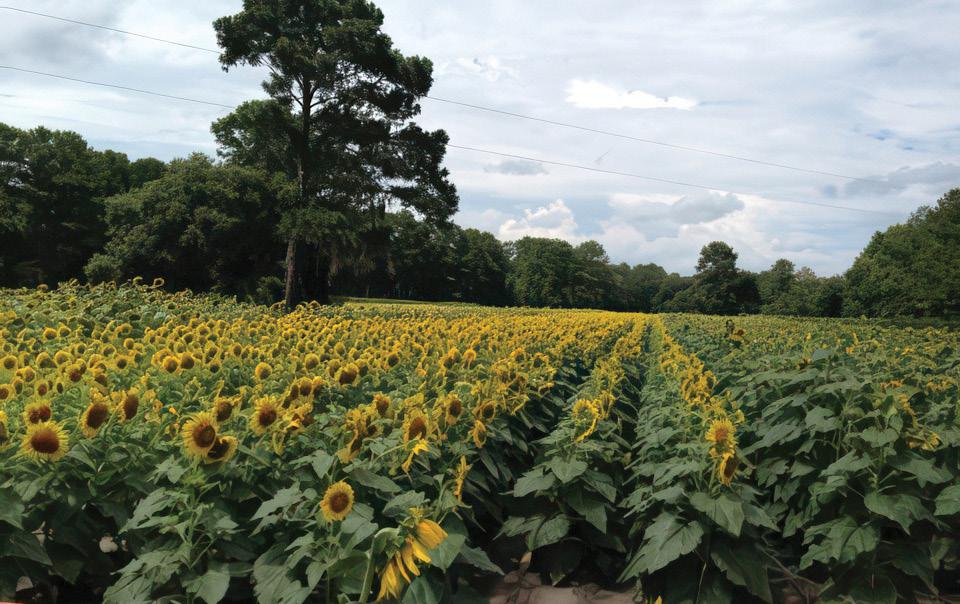
The plantation was acquired in 1975 by Richard Schulze Sr. as a sporting property, known for exceptional duck, dove, and snipe hunting. It later gained wider recognition for an important agricultural milestone: the reintroduction of Carolina Gold rice to the Lowcountry in 1985. The revival of this historic grain helped spark renewed interest in heirloom Southern crops and remains an important piece of the region’s culinary and agricultural history
Over the next year Turnbridge Plantation will undergo an extensive renovation to ensure its legacy remains intact for future generations. As we follow the progress, look for an update in the next issue of LowCountry Home.
“This project is really about stewardship,” says Ron Boshaw, founder of Boshaw Residential. “Our goal is to build a home that respects the property and the Lowcountry setting while creating something lasting for generations.”
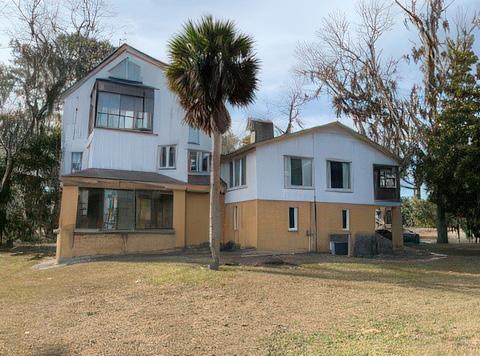
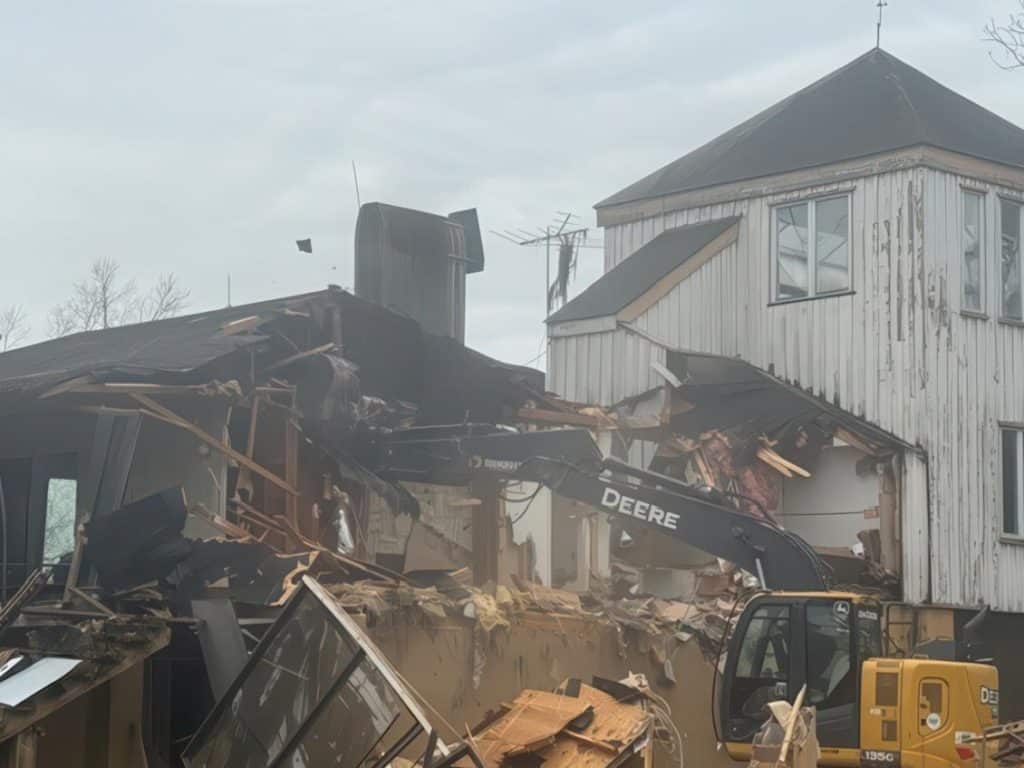
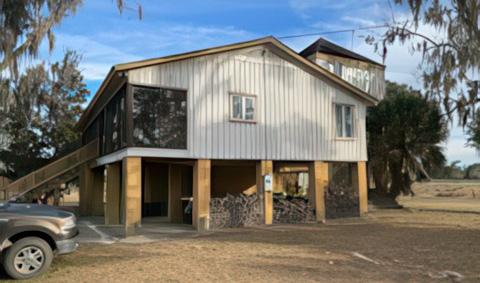
The original structure, built in the 1960s, was no longer salvagable, so it was demolished to make room for a modern home that will serve future generations.
Today, Turnbridge Plantation continues to evolve. The original residence on the property, constructed in the 1960s, had reached the point where renovation could no longer provide the performance, resilience, or livability expected of a modern home. Rather than pursue piecemeal updates, the decision was made to remove the aging structure and design a new residence from the ground up – one that would better serve the property and future generations.

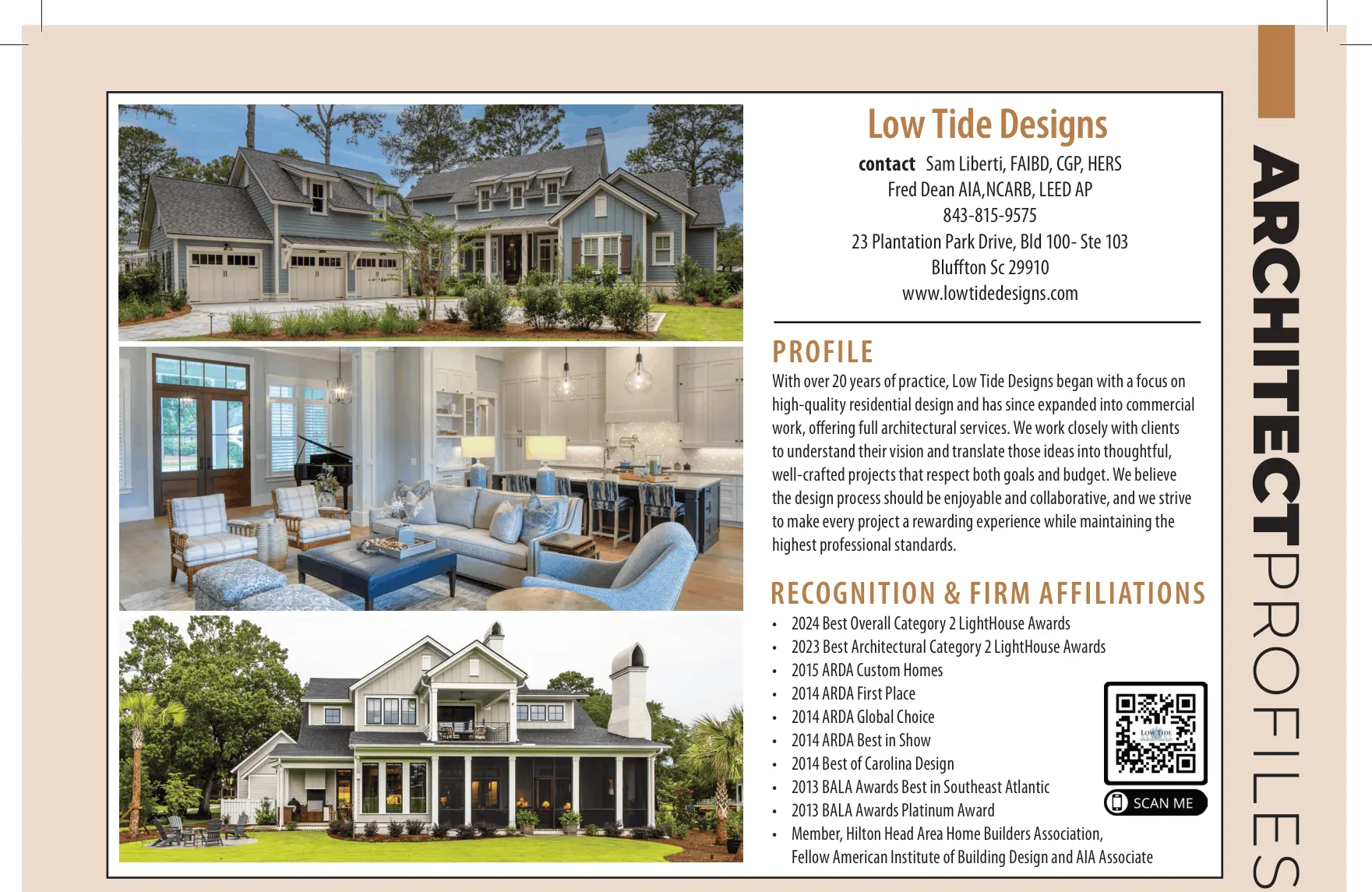
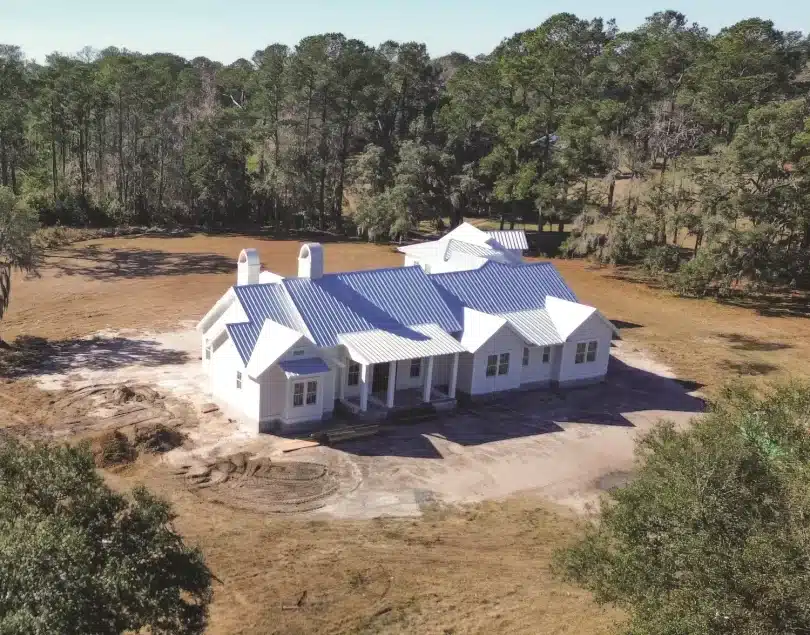
The new home, currently under construction, is being built by Boshaw Residential in collaboration with Low Tide Designs, led by residential designer Sam Liberti, and Indigo Design, the interior design studio led by Michelle Bichy.
“This project is really about stewardship,” says Ron Boshaw, founder of Boshaw Residential. “Turnbridgeis an extraordinary piece of land. Our goal is to build a home that respects the property and the Lowcountry
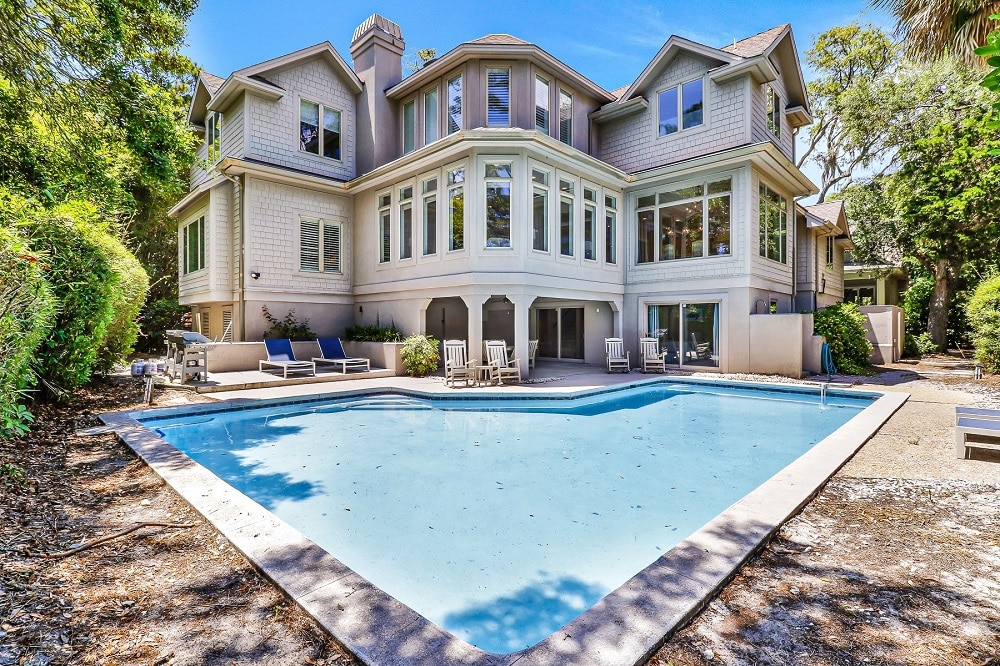
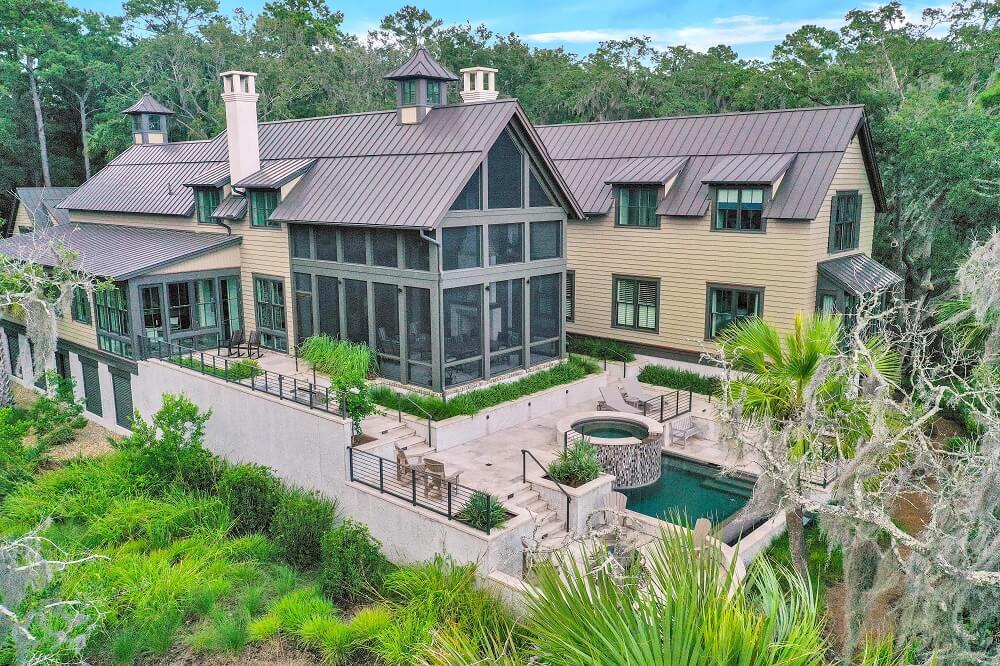
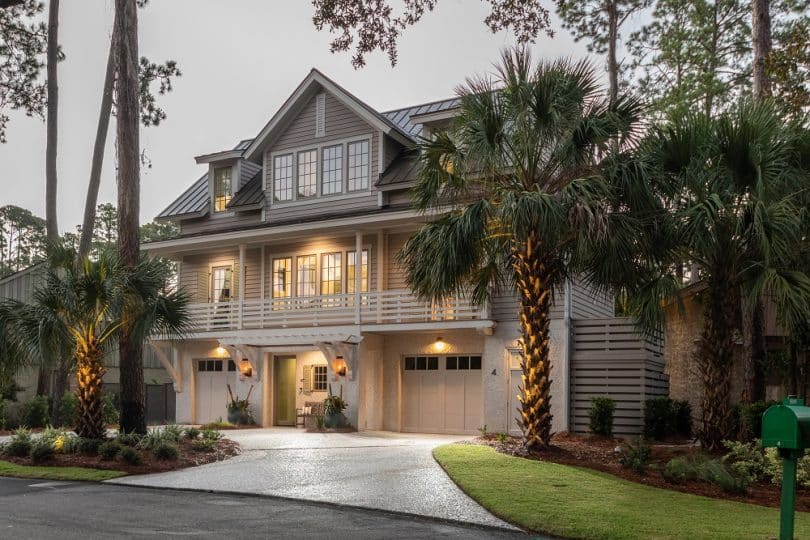
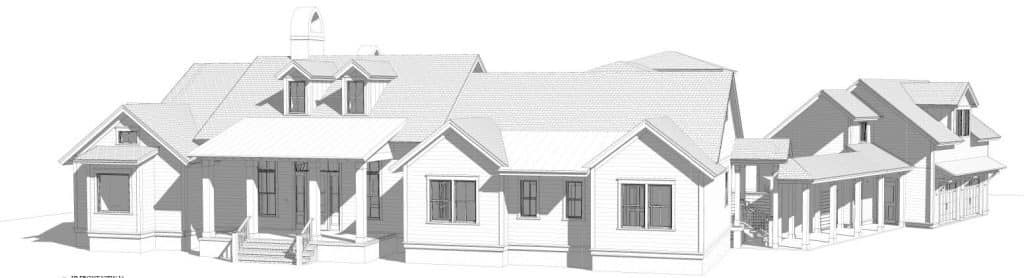
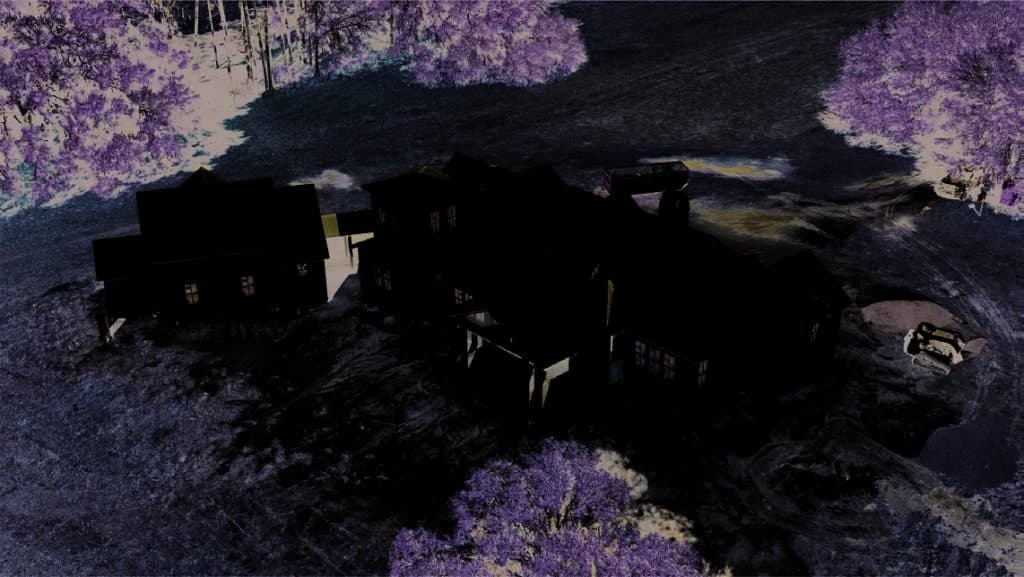
ABOVE The new home plan, created by Low Tide Designs, was created with the land and environment in mind. “[T]he result feels natural and enduring,” says Residential Designer Sam Liberti.
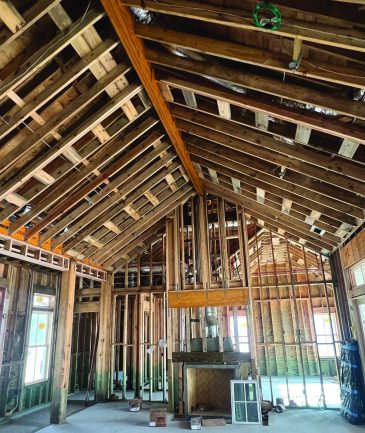
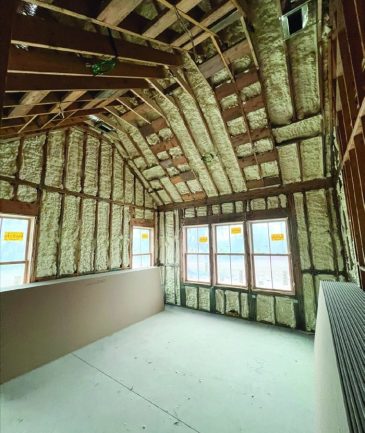
The new structure will support contemporary living with thoughtful layouts and generous gathering spaces. setting while creating something lasting for generations.”
Low Tide Designs approached the architecture with a deep respect for regional character. Rather than replicate historical forms, the design interprets classic Lowcountry principles—proportion, symmetry, and connection to the landscape—in a way that feels timeless and appropriate to the setting.
“Our intention was to design a home that feels like it belongs here,” explains Sam Liberti. “When architecture responds to the land and the environment around it, the result feels natural and enduring.”
From a construction standpoint, the tear-down and rebuild approach allows the project to fully embrace modern building methods and materials. Structural resilience, energy efficiency, and long-term durability are key considerations—particularly in the coastal Lowcountry environment.
At the same time, the home is being designed to support contemporary living with thoughtful layouts, generous gathering spaces, and seamless connections between indoor and outdoor environments.
While construction continues, the interiors are also beginning to take shape under the direction of Indigo Design.
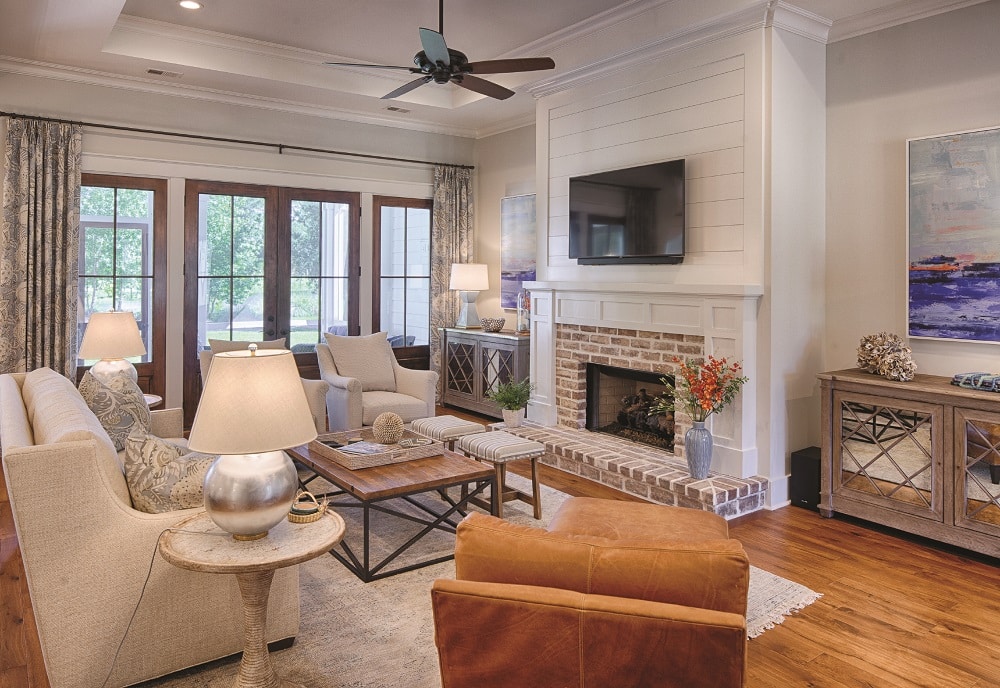
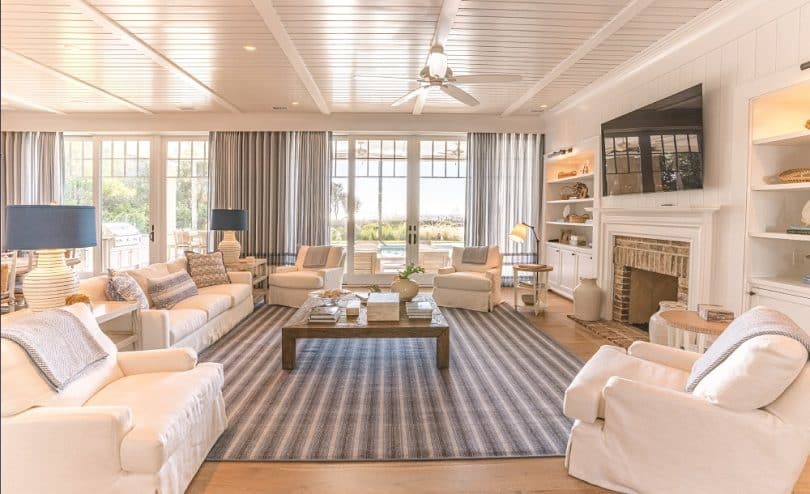
“A home like this should feel elevated but also deeply livable,” says Michelle Bichy. “We’re layering timeless materials, texture, and warmth so the interiors feel sophisticated but welcoming.”
When completed, the residence will represent more than a new structure on historic ground—it will be a continuation of Turnbridge Plantation’s story.
Part II, featured in the 2027–2028 edition of LowCountry Home, will reveal the completed home and its interiors. The focus will explore Indigo Design’s interior vision and how materials, finishes, and furnishings bring the architecture to life.
For now, the work underway at Turnbridge Plantation offers a powerful example of how historic landscapes and contemporary design can coexist—honoring the past while building confidently for the future. LCH